
Neuro-Vision Therapy For Improved Comfort
After a concussion or head injury, it’s common to experience changes in your vision. Even if your vision seems clear, symptoms like headaches, dizziness, or difficulty focusing can make everyday tasks more challenging. Our neuro-vision therapy in Alma is designed to help retrain and support your visual system during recovery.
Rebuilding Visual Skills After Injury
Neuro-vision therapy focuses on improving how your eyes work together and how your brain processes visual input. Through guided exercises and structured activities, we help strengthen coordination, focus, and visual comfort. Each program is tailored to your symptoms and recovery goals. Afterwards, many patients find it easier to return to everyday activities without discomfort.
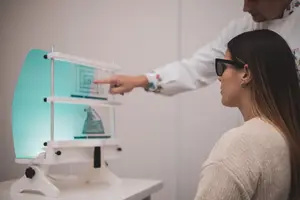
From medical treatments to your annual eye exam, we provide a wide range of services at Alma Optics.
Located in Alma, our office provides community-focused eye care for patients throughout the area.
Meet the eye doctors at Alma Optics. Here, you get care backed by a network of clinical expertise.

How Head Injuries Can Affect Your Vision
Your eyes and brain work closely together, so when a head injury occurs, it can affect how visual information is processed. This can lead to symptoms that may not seem directly related to vision. Some patients experience:
- Difficulty focusing or reading
- Eye strain or headaches
- Dizziness or motion sensitivity
- Trouble with balance or coordination
- Fatigue during visual tasks
These symptoms can linger even after other parts of recovery feel complete.
Our Process at Alma Optics
Neuro-vision therapy is a gradual process designed to support your recovery in a structured way. We focus on helping you rebuild visual skills at a pace that feels comfortable. Your care typically includes:
A Sensorimotor Exam
We begin with an eye exam to understand how your visual system is functioning and identify areas affected by your injury.
Your therapy plan
Based on your symptoms and goals, we create a program tailored to your specific needs.
guided sessions
Each session focuses on improving skills like coordination, focusing, and visual processing through structured activities.
Ongoing progress
As your recovery continues, we track your progress and adjust your therapy to support steady improvement.
Who Can Benefit?
Neuro-vision therapy is often recommended for patients whose visual symptoms are related to a head injury or neurological event. You may benefit from neuro-vision therapy if you’ve experienced:
- A concussion from sports, a fall, or an accident
- A traumatic brain injury (TBI)
- A car accident involving head impact or whiplash
- A workplace injury affecting the head or neck
- Ongoing symptoms following a previous concussion
A detailed evaluation can help determine how your visual system has been affected and whether neuro-vision therapy is the right next step in your recovery.

Here to Help Support Your Recovery
If you’re dealing with lingering symptoms after a concussion or head injury, we’re here to help you better understand what’s going on and what your next steps may be. The first step is a sensorimotor exam. Please call our eye clinic to schedule your evaluation so we can guide you toward the right type of care.